Research and studies

Bulandi – Inclusive and Participatory Development Society

Research and studies

At Bulandi – Inclusive and Participatory Development Society, research serves as a foundation for understanding community needs, identifying development gaps, and designing effective interventions. We believe that meaningful and sustainable development requires evidence-based decision-making, community insights, and continuous learning.

Our research initiatives aim to generate knowledge, inform policies, strengthen programs, and contribute to inclusive and participatory development across communities.

Our Research Focus Areas

1. Community Needs Assessment

We conduct comprehensive studies to understand the socio-economic conditions, challenges, and aspirations of communities.

  • Baseline surveys
  • Household assessments
  • Community profiling
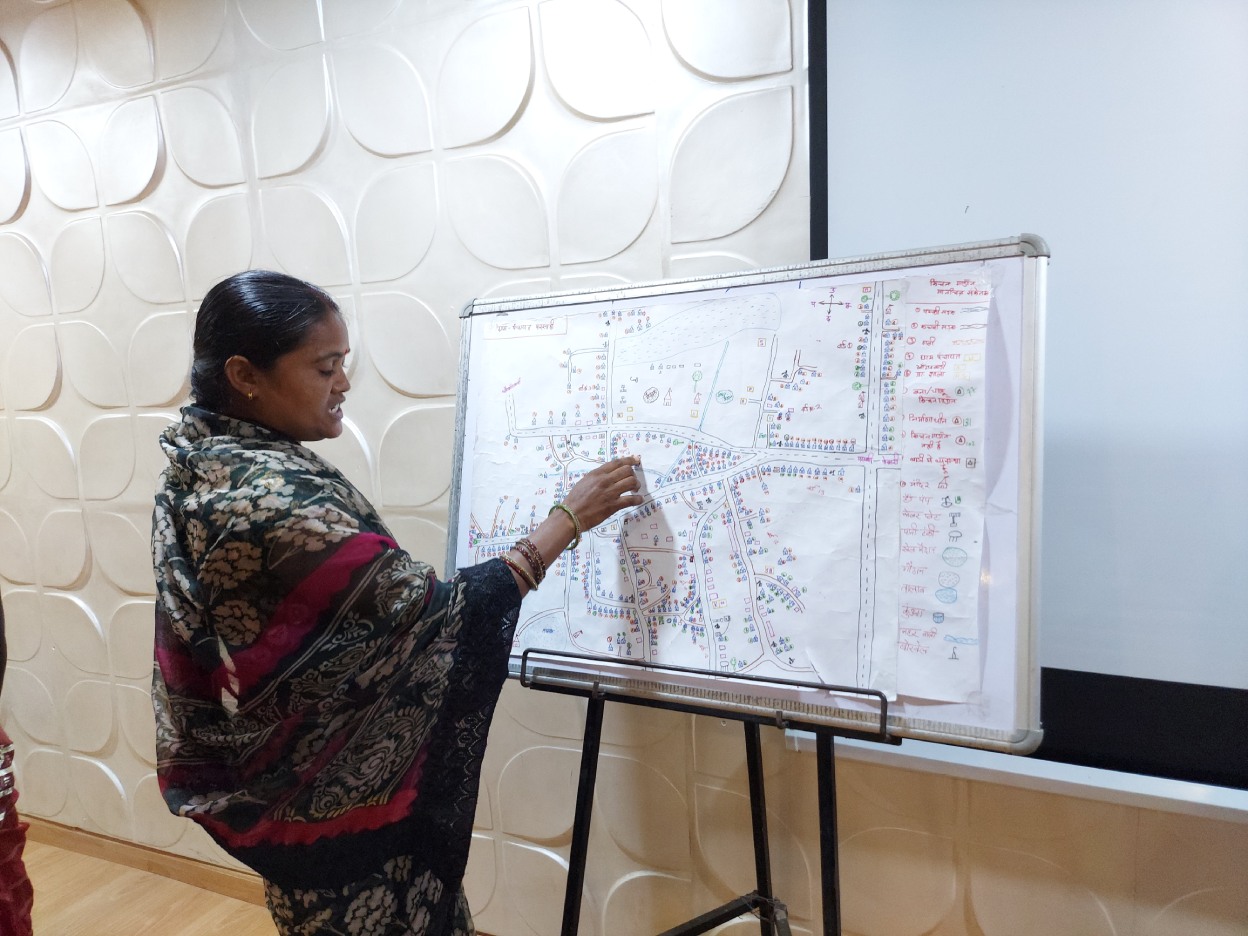
  • Participatory rural appraisals
  • Vulnerability and risk assessments

2. Livelihood and Economic Development Research

Our research explores opportunities to improve livelihoods and economic resilience.

  • Employment and skill-gap analysis
  • Entrepreneurship and market studies
  • Agricultural productivity assessments
  • Financial inclusion research
  • Value chain and market linkage studies

3. Education Research

We examine barriers and opportunities for improving access to quality education.

  • School enrollment and retention studies
  • Learning outcome assessments
  • Digital education research
  • Adolescent and youth development studies
  • Inclusive education assessments

4. Health and Nutrition Research

We generate evidence to support healthier communities.

  • Maternal and child health studies
  • Nutrition and food security assessments
  • Public health awareness surveys
  • Healthcare accessibility research
  • Water, sanitation, and hygiene (WASH) studies

5. Gender and Social Inclusion Research

Our studies focus on promoting equality and empowering marginalized groups.

  • Gender equality assessments
  • Women’s leadership and participation studies
  • Social inclusion research
  • Child rights and protection assessments
  • Disability inclusion studies

6. Tribal and Indigenous Communities Research

We work to understand the unique challenges and strengths of tribal communities.

  • Traditional knowledge documentation
  • Tribal livelihoods and development studies
  • Access to rights and entitlements
  • Cultural preservation and inclusion research
  • Community resilience assessments

7. Governance and Public Policy Research

We support transparent and accountable governance through evidence generation.

  • Social accountability studies
  • Policy analysis and advocacy research
  • Public service delivery assessments
  • Community participation studies
  • Local governance and decentralization research

8. Environment and Climate Change Research

We promote sustainable development through environmental research.

  • Climate vulnerability assessments
  • Natural resource management studies
  • Sustainable agriculture research
  • Biodiversity and conservation studies
  • Climate adaptation and resilience research

Research Methodology

Bulandi follows participatory and ethical research practices that include:

  • Quantitative and qualitative research methods
  • Surveys and structured interviews
  • Focus Group Discussions (FGDs)
  • Key Informant Interviews (KIIs)
  • Participatory Rural Appraisal (PRA)
  • Case studies and field observations
  • Monitoring, Evaluation, and Learning (MEL) frameworks

Research Outcomes

Through our research initiatives, we aim to:

  • Generate reliable and actionable evidence
  • Improve program effectiveness and impact
  • Support policy advocacy and informed decision-making
  • Strengthen community participation in development
  • Promote innovation and best practices
  • Contribute to sustainable and inclusive development

Our Commitment

Bulandi is committed to conducting ethical, participatory, and evidence-based research that amplifies community voices and informs meaningful action. By transforming knowledge into solutions, we strive to create lasting positive change for vulnerable and marginalized communities.

Research Vision

“To generate knowledge that empowers communities, influences policy, and drives inclusive, participatory, and sustainable development for all.”