About Our Organization

About the Organization

Bulandi – Inclusive and Participatory Development Society

Bulandi – Inclusive and Participatory Development Society is a women-led non-profit organization established in August 2023 under the Chhattisgarh Societies Registration Act, 1973. The organization was founded by a collective of grassroots women leaders, sanitation workers and Self-Help Group (SHG) members who have worked together for more than 7–8 years to promote inclusive and participatory development among marginalized communities across urban, slum, and tribal areas of Chhattisgarh.

Before establishing Bulandi, the founders worked extensively with excluded and vulnerable groups, including sanitation workers, Swachhagrahis, domestic workers, migrant labourers, informal workers, persons living with HIV (PLHIV), single and widowed women, and SC/ST communities. Their grassroots engagement revealed that women from these communities continue to experience deep social, economic, and gender-based inequalities despite playing a critical role in sustaining their families and communities. Limited access to leadership opportunities, essential services, social protection, and dignified livelihoods often prevents them from realizing their full potential.

Driven by the belief that empowered women are the foundation of sustainable and inclusive development, Bulandi was established to strengthen women’s leadership and collective action. The organization invests in building the capacities of women and community institutions while promoting participatory governance, access to safe drinking water, health and nutrition, sustainable livelihoods, social protection, and gender equality. Its approach places women at the centre of planning, decision-making, implementation, and monitoring of development initiatives.

Bulandi envisions a society where marginalized communities lead their own development processes with dignity, equality, and inclusion. By nurturing women leaders, strengthening local governance systems, promoting sustainable livelihoods, and nurturing community participation, the organization is creating resilient and inclusive communities where women are recognized as decision-makers and catalysts for lasting social impact.
Vision

An equitable and inclusive society where everyone contributes to shaping their communities and lives with dignity.

Mission

To promote inclusive and participatory development by nurturing women, strengthening local institutions, and driving sustainable change through evidence generation and dissemination.

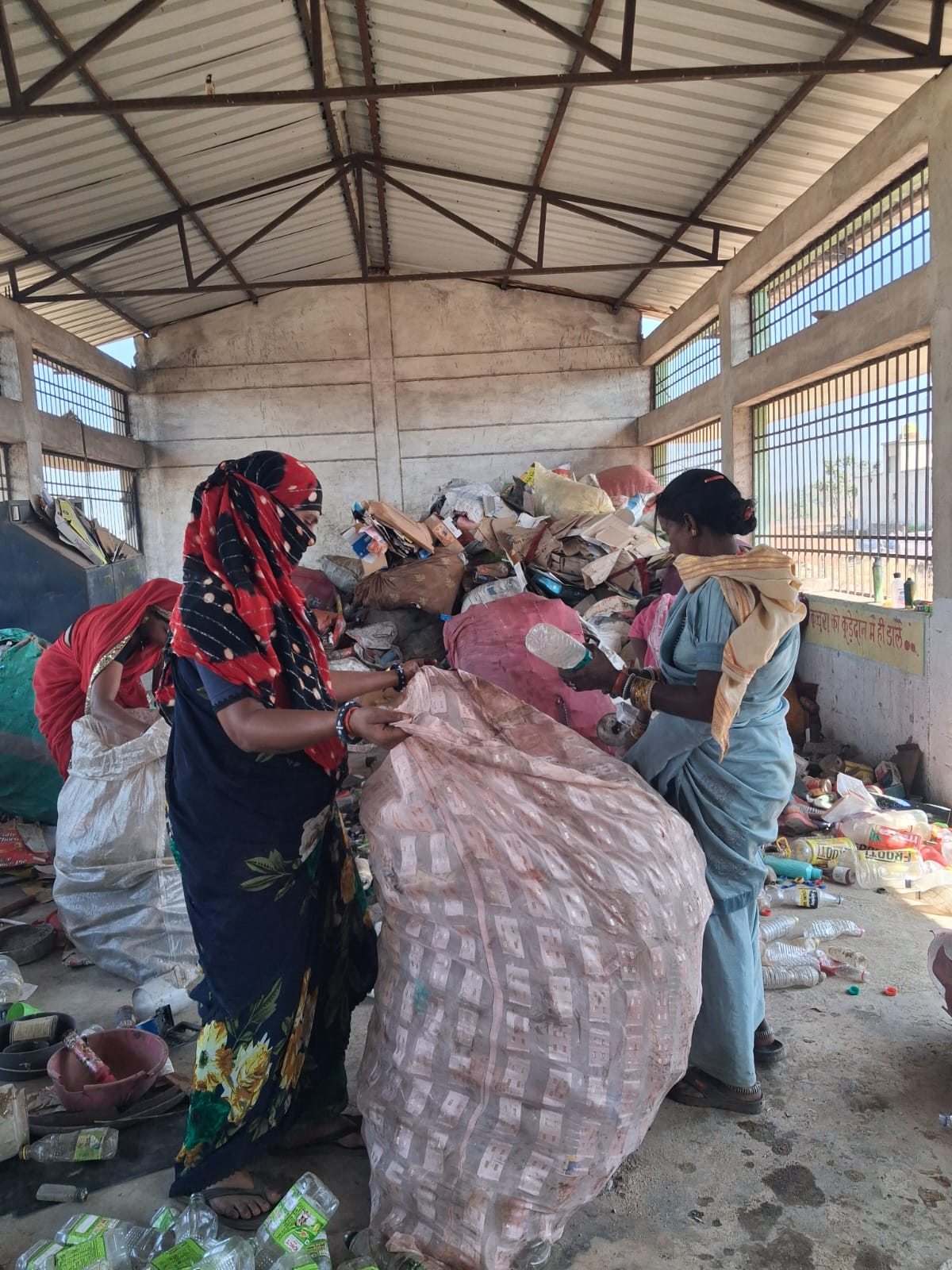
BINDI (Bringing Initiative for Nature, Dignity, and Inclusion) – BINDI is a comprehensive intervention that focuses on transforming waste into economic opportunities through environmentally sustainable practices, while promoting ecological protection and women’s empowerment. Designed as a women-led initiative, it prioritizes the rights, dignity, and social inclusion of women engaged in sanitation work by strengthening their role in solid waste management systems. The program emphasizes scientific waste management practices and the development of strong market linkages to create sustainable livelihoods. BINDI is currently being implemented in the Raipur and Durg districts of Chhattisgarh in collaboration with the Swachh Bharat Mission (SBM) and the district administration. The WE-LEAD (Women’s Empowerment through Leadership, Enterprise (Waste-based), and Action for Development) project is a part of the BINDI initiative undertaken by Bulandi.

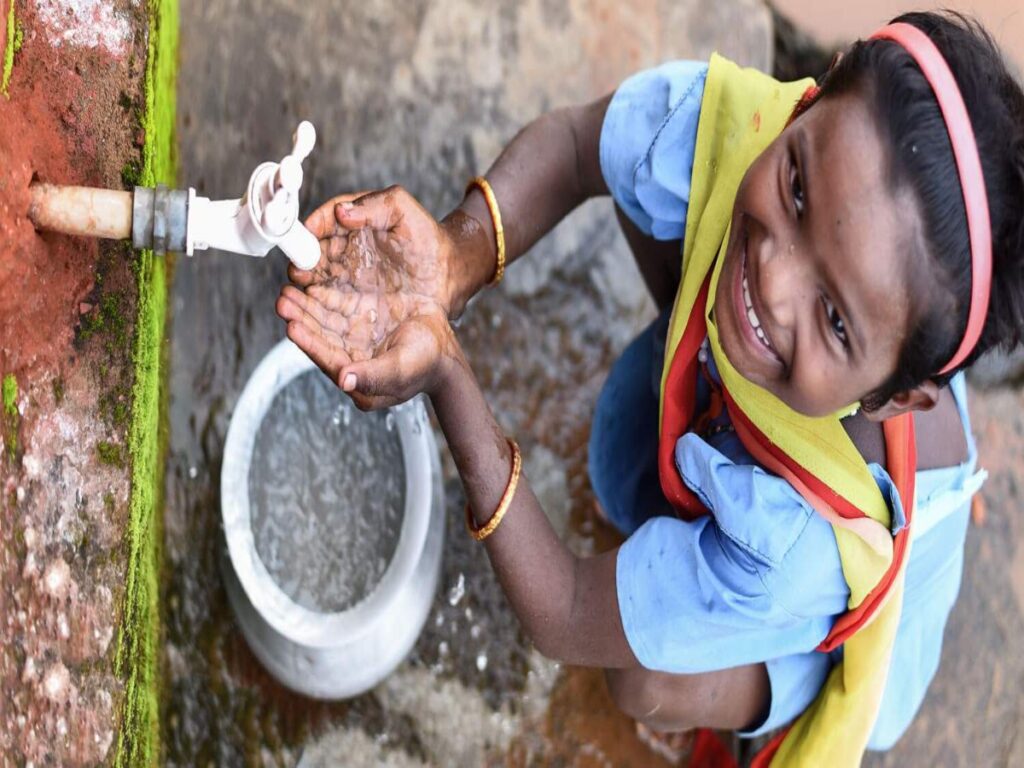
DWASC – Developing Water and Sanitation Secure Communities addresses the persistent challenges of water scarcity and unsafe water, which disproportionately impact women by increasing their burden and vulnerability. This women-led initiative is being implemented across urban and rural areas of Raipur (Birgaon, Kachana, Dharsiwa) and Kanker district, focusing on strengthening water security through participatory water management & Water conservation driven by empowered women’s institutions. The program builds the capacities of local women by equipping them with the technical knowledge and skills required for the effective operation and maintenance (O&M) of WASH services, ensuring sustainable water supply and reducing contamination caused by inadequate sanitation practices. By decentralizing water governance and placing women at the forefront, the initiative not only improves access to safe and reliable water at the household level but also reduces the burden of water collection and management, while promoting dignity, safety, and long-term empowerment within communities.

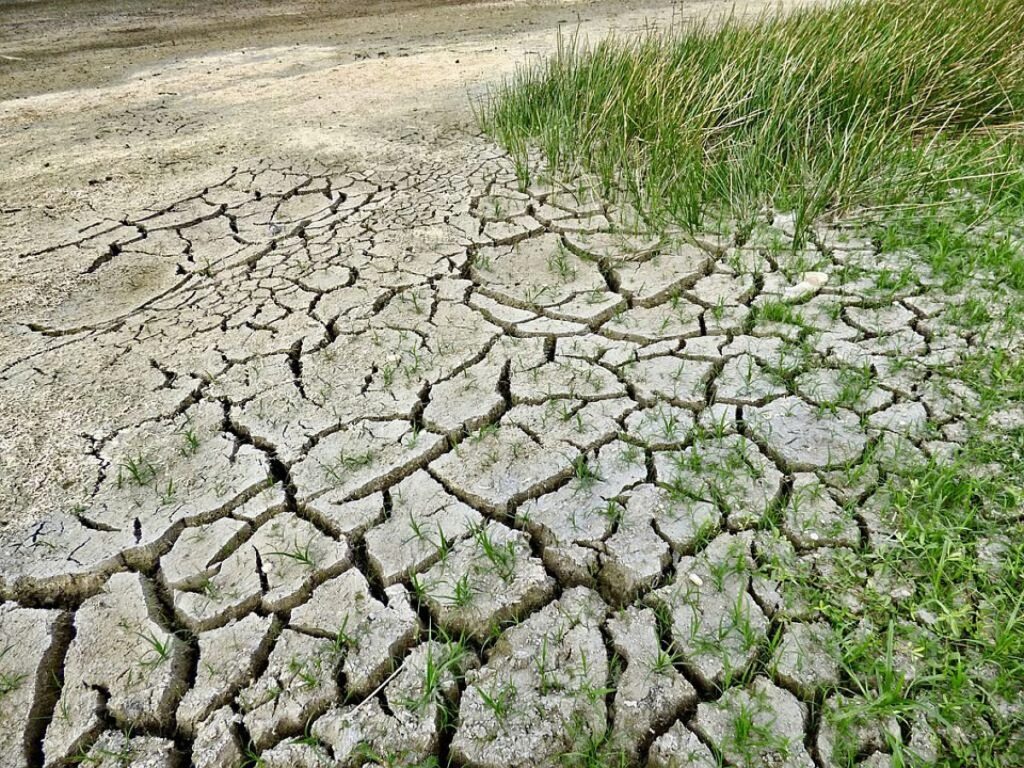
Dharati : Dharati is a climate resilience-focused intervention that aims to reduce vulnerability to climate change by promoting environmentally sustainable and nature-based solutions. The intervention emphasizes the value of natural resources and supports women-led climate-sensitive practices, including low water-intensive agriculture, water conservation, community forest management with sustainable livelihoods, and climate-appropriate WASH (Water, Sanitation, and Hygiene) practices. By strengthening local capacities and promoting women’s leadership in climate action, Dharati contributes to building resilient communities that are better equipped to adapt to changing environmental conditions while ensuring sustainable and inclusive development.

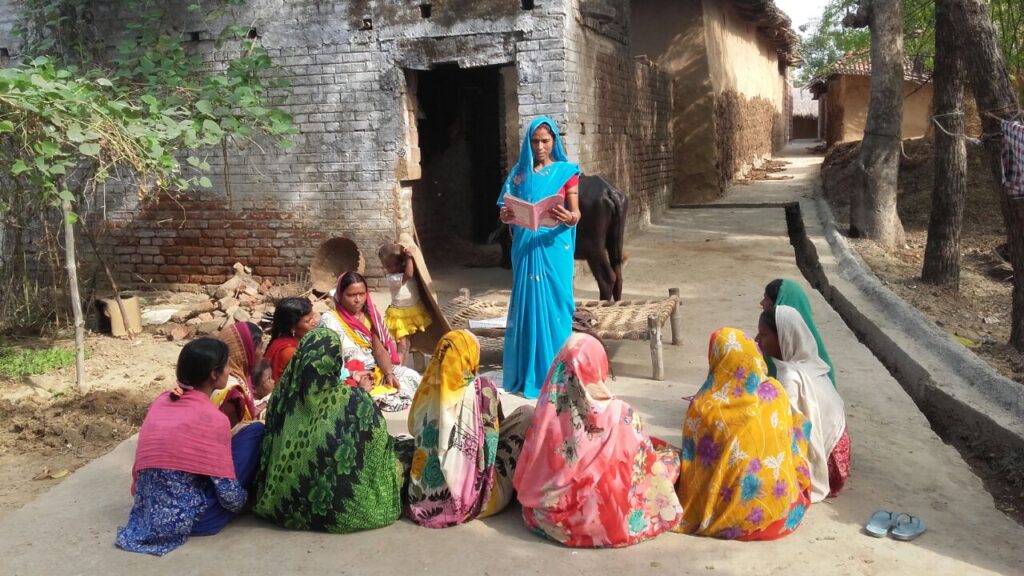
Bulandi Manch : Bulandi Manch is a women-led intervention designed to strengthen participatory governance by enabling women to actively engage in planning and monitoring processes at the local level. The intervention supports women to lead participatory planning through platforms such as the Gram Panchayat Development Plan (GPDP) in rural areas and mohalla-level planning in urban contexts. It focuses on promoting gender-sensitive, inclusive, and comprehensive development planning by mainstreaming women into decision-making spaces. By enhancing women’s leadership and collective voice, the intervention contributes to achieving Sustainable Development Goals (SDGs), particularly SDG 5 on gender equality, while also accelerating progress in poverty reduction, health, education, and climate action. Overall, Bulandi Manch fosters more equitable, responsive, and sustainable development outcomes.